
Cannabis and Hemp Business Law Firm Serving the Sierra Foothills
Cannabis and Hemp Business Attorney Serving Clients Throughout California
The Law Office of Shay Aaron Gilmore has successfully closed millions of dollars in mergers and acquisitions and other corporate transactions for cannabis and hemp investor and operator clients, devoted hundreds of hours of pro-bono legal services to the cannabis social equity movement, and helped dozens of businesses procure or maintain state and local commercial cannabis licenses and permits for the expansion of cannabis and hemp access in the regulated markets.
Focused on the Sierra Foothills, Shay Aaron Gilmore delivers proven legal solutions for operators and investors to launch, fund and grow ventures in compliance with the cannabis and hemp industries’ ever-changing laws, regulations and policies.
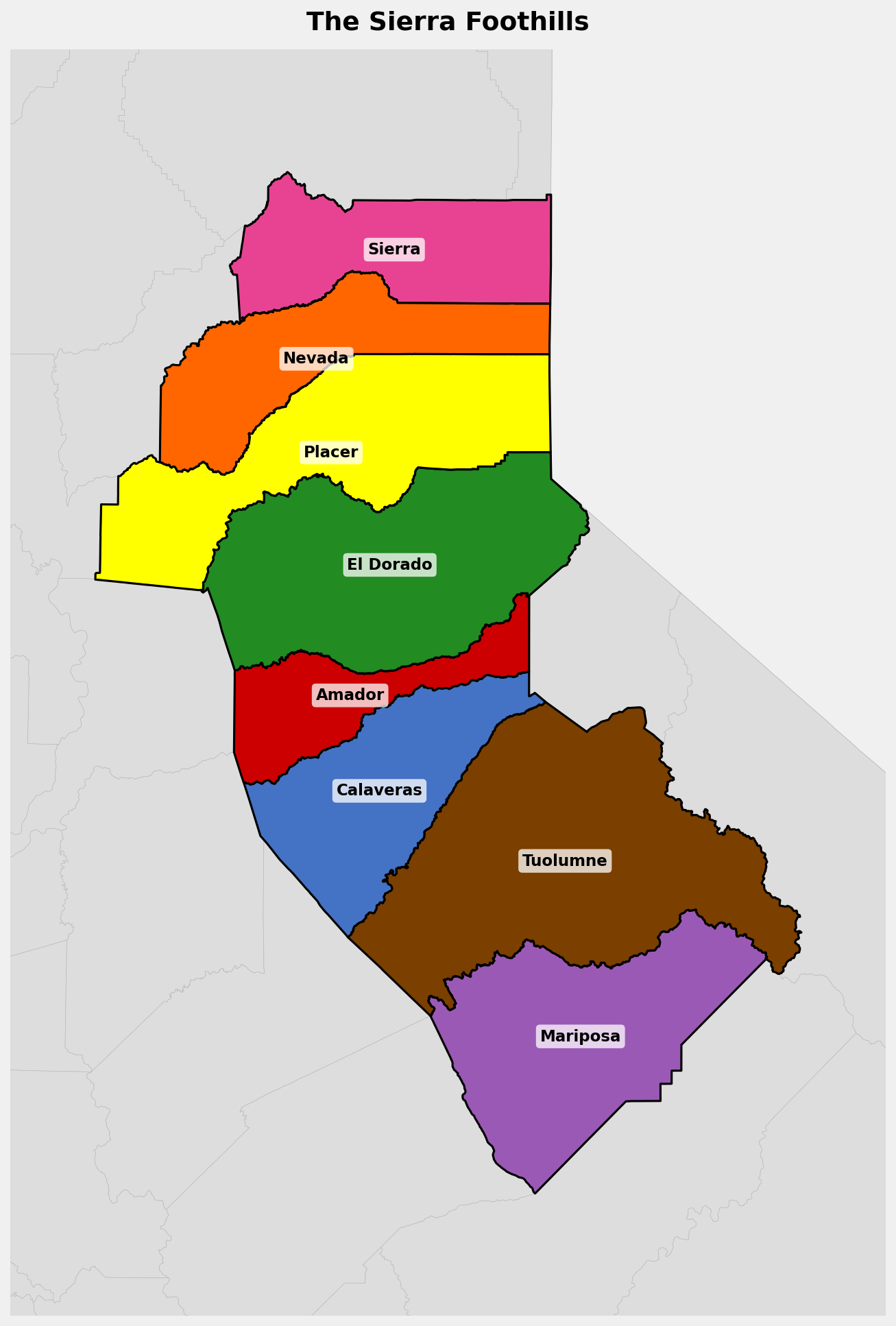
In addition to the Sierra Foothills, the Law Office of Shay Aaron Gilmore also serves clients in:
Practice Areas in the Sierra Foothills, California
We provide each of our clients with customized knowledge coupled with cost-effective legal counsel designed to reach their unique goals. The Law Office of Shay Aaron Gilmore supports the continued success of our Sierra Foothills cannabis and hemp industry clients in the following practice areas:
Recognized by The Los Angeles/San Francisco Daily Journal as one of the Top 20 Cannabis Lawyers in California, Shay Aaron Gilmore plays active roles in top trade and professional organizations like the American Bar Association Cannabis Law & Policy Committee, the California Cannabis Industry Association, and the International Cannabis Bar Association. Shay founded the Cannabis Practitioners Group of the California Lawyers Association, which he chairs, and Shay currently serves on the Board of Directors of California NORML. Shay has been recognized by Super Lawyers® Magazine as a Northern California Super Lawyer in Cannabis Law and in Business & Corporate Law, and as one of the Top 100 Lawyers in Northern California across all practice areas. A complete list of Shay’s recent presentations, white papers, and legal articles is available on the Media page. Shay regularly publishes content for the Sierra Foothills on his Cannabis and Hemp Law Blog.
Sierra Foothills Cannabis and Hemp Business Resources
Whether you are an already established California investor or operator expanding your business or investment into the Sierra Foothills, or you are new to the California cannabis or hemp industry, understanding the legal requirements and regulations impacting the local cannabis and hemp industries is vital to your success. Here are a few local resources for cannabis and hemp businesses to use in answering questions regarding cannabis and hemp legislation, regulation, and enforcement in several jurisdictions in the Sierra Foothills.
- Calaveras County Division of Cannabis Control
- El Dorado County Cannabis Information
- City of Placerville Commercial Cannabis
- City of South Lake Tahoe Cannabis Regulations
- Nevada County Cannabis Regulations
- City of Grass Valley Commercial Cannabis
- Nevada City Cannabis Businesses
- City of Colfax Commercial Cannabis
- City of Sonora Cannabis Regulations
- El Dorado County Hemp Pilot Ordinance
If you have specific questions or concerns in the Sierra Foothills, the Law Office of Shay Aaron Gilmore can provide made-to-measure legal solutions for your cannabis or hemp business and investment needs.
Contact The Law Office of Shay Aaron Gilmore today!
Contact our Sierra Foothills cannabis and hemp law specialists today by phone at (415) 846-6397 or online so you can fully and compliantly align your business and/or investment interests in the California cannabis and hemp industries.
Frequently Asked Questions
To get a cannabis license in the Sierra Foothills, you must first obtain approval from the local government with jurisdiction over the physical location of your proposed cannabis business. Local permitting processes differ significantly across the Sierra Foothills. For example, Calaveras County operates a Division of Cannabis Control that administers commercial cultivation permits, while other counties in the region — including Amador, Tuolumne, Mariposa, El Dorado, Placer, Sierra and Nevada — each set their own rules for whether a cannabis dispensary in Foothills communities, a cannabis store in the Foothills, or other commercial cannabis operations are allowed.
A prospective cannabis operator — whether opening a Foothill cannabis club-style retail establishment or pursuing cultivation or manufacturing — must confirm that the intended activity is permitted in the specific city or unincorporated county area, complete that jurisdiction’s local land-use and cannabis permitting process, and then apply to DCC for the corresponding state license. Engaging a foothills law attorney or foothills law office familiar with Sierra Foothills cannabis regulations ensures each step is properly handled.
A cannabis growers license for a site in the Sierra Foothills is a DCC cultivation license layered on top of the local jurisdiction’s cultivation approval. Not all counties in the Sierra Foothills allow commercial cannabis cultivation, and those that do impose varying rules on canopy size, zoning, and environmental compliance. A cultivator must first verify that cultivation is permitted in the specific jurisdiction, obtain local land-use and cultivation authorization, and then submit a DCC cultivation application.
Because the Sierra Foothills encompasses a range of agricultural and rural communities, cultivation opportunities vary from county to county. A business lawyer Foothill Ranch CA operators consult — or a foothills law office with cannabis experience — can help identify which jurisdictions currently permit cultivation and advise on site selection, lease negotiation, and the local and state application processes.
Before growing hemp on land within the Sierra Foothills, a grower must register with the California Department of Food and Agriculture (CDFA) through the county agricultural commissioner for the county in which the grower intends to cultivate. Each county in the Foothills region may impose additional local requirements or restrictions on industrial hemp cultivation. Under CDFA rules, when a county is accepting registrations, the agricultural commissioner must issue the state registration within 30 calendar days if all state and local requirements are met.
Prospective hemp growers should contact the relevant county agricultural commissioner’s office to confirm whether industrial hemp registrations are currently being accepted. A foothills law attorney can assist with understanding county-specific requirements and ensuring compliance with both state and local hemp regulations.
Before cultivation, a fee of $900 per applicant must be submitted with the Industrial Hemp Registration Application to the California Department of Food and Agriculture (CDFA). The $900 CDFA fee is annual and must be paid again each year to renew the registration; a separate registration (and fee) is required for each county in which the grower cultivates. County fees in the Sierra Foothills are in addition to the $900 CDFA registration and vary by jurisdiction.
Prospective hemp cultivators in the Foothills should contact the agricultural commissioner’s office in the specific county where they intend to cultivate to confirm the most current local fee amounts before applying. Consulting a foothills law office or business lawyer serving Foothills-area clients is advisable to understand the full range of costs and compliance obligations.